
Beat the Odds: The PCSO Lotto's Prime Number Harmony Strategy for Balanced Bets
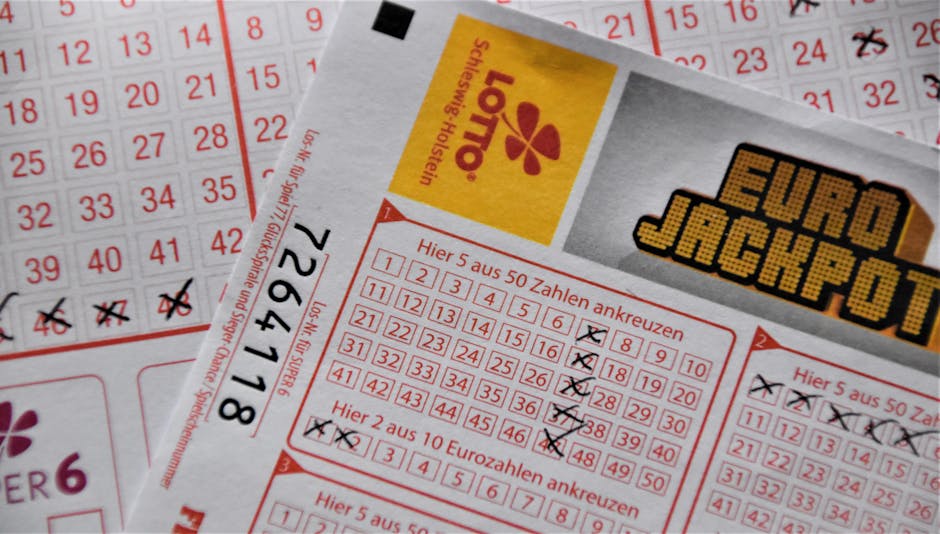
Alright, mga ka-lotto! Feeling stuck in a rut, picking the same numbers week after week with no luck? Let's shake things up a bit. We're diving into a strategy that brings a touch of mathematical elegance to your number selection: the Prime Number Harmony Strategy. It’s all about creating balanced bets by understanding how prime numbers can influence your number combinations.
Key Takeaway: The Prime Number Harmony Strategy uses prime numbers to create balanced lotto bets, increasing your chances of a win by ensuring a diverse number selection.
Understanding Prime Numbers in Lotto
What exactly are prime numbers, and why should we care about them in the context of the PCSO lotto? Simply put, a prime number is a whole number greater than 1 that has only two divisors: 1 and itself. Examples include 2, 3, 5, 7, 11, 13, and so on.
The idea behind incorporating prime numbers isn't to magically predict the winning numbers. Instead, it's about ensuring a balanced spread across your chosen numbers. Many players tend to gravitate towards easily memorable numbers or patterns. By consciously including prime numbers, you're diversifying your selection and potentially covering less-frequently chosen combinations.
Think of it like this: if everyone's baking the same cake, yours needs a unique ingredient to stand out. Prime numbers can be that ingredient.
The Harmony in Diversity: Balancing Your Bets
The core of the Prime Number Harmony Strategy lies in creating a balanced mix of prime and non-prime numbers in your lotto selections. The goal is to avoid over-reliance on either type. Why? Because statistically, winning combinations rarely consist solely of prime or non-prime numbers.
Here's how you can implement this:
1. Identify prime numbers: List all the prime numbers within the range of your chosen lotto game (e.g., for Lotto 6/42, identify primes between 1 and 42). 2. Establish a ratio: Decide on a ratio of prime to non-prime numbers you want to include in each ticket. A good starting point is a 50/50 split, or leaning slightly towards non-prime numbers. 3. Create combinations: Generate number combinations that adhere to your chosen ratio. For example, if you're playing Lotto 6/42 and aiming for a 3 prime/3 non-prime split, one possible combination could be 2, 5, 12, 21, 34, 39.
Remember, consistency is key. Apply this strategy across multiple tickets to maximize your coverage. You can even use an AI Lotto Prediction Tool as a starting point and then adjust the numbers to fit your prime/non-prime ratio.
Advanced Prime Number Techniques
Want to take this strategy to the next level? Consider these advanced techniques:
- Prime Number Gaps: Analyze the gaps between prime numbers in past winning combinations. Are there specific gaps that appear more frequently? Use this information to inform your number selection.
- Prime Factorization: Break down non-prime numbers into their prime factors. This can help you identify underlying prime number influences within seemingly non-prime numbers.
- Prime Number Sums: Explore the sums of prime numbers within your chosen combinations. Are there specific sum ranges that correlate with higher win rates?
These advanced techniques require a bit more data analysis, but they can provide valuable insights into the interplay between prime numbers and lotto results. You can also check out the Lotto 6/42 Result History to see how often prime numbers have appeared in previous draws.
Frequently Asked Questions (FAQ)
Does this strategy guarantee a win?
No lotto strategy can guarantee a win. Lotto is still primarily a game of chance. However, this strategy aims to improve your odds by promoting balanced and diverse number selections.
How many prime numbers should I include in each ticket?
A 50/50 split between prime and non-prime numbers is a good starting point. Experiment with different ratios to see what works best for you.
Where can I find a list of prime numbers?
You can easily find lists of prime numbers online. Just search for "prime numbers list" on any search engine.
Remember, playing the lotto should be a fun and responsible activity. Don't spend more than you can afford to lose, and always gamble responsibly. Good luck, and may the odds be ever in your favor!
You Might Also Like
December 6, 2025
Unlock the Philippine Lotto: The Draw Day Anomaly Strategy for PCSO Games
Unlock the Philippine Lotto! Discover the "Draw Day Anomaly" strategy for PCSO games. Learn how analyzing draw day patterns could improve your chances of winning.
December 5, 2025
Stop Playing Blind: The PCSO Lotto's Hot Zone Exclusion Strategy for Targeted Number Selection
Stop playing blind! Discover the PCSO Lotto's "Hot Zone Exclusion Strategy" for targeted number selection. Improve your odds and play smarter with this guide!
December 4, 2025
Dominate the PCSO Lotto: The Number Persistence Decay Strategy for Predicting Draws
Unlock the secrets to winning the PCSO Lotto! Learn the Number Persistence Decay Strategy, a unique method for predicting winning numbers and improving your chances of hitting the jackpot.